
Milia Matcha
Milia Matcha publishes numeric COA from Eurofins Dr. Specht. Lead reported as approximately 0.19 µg per 2g serving (~95 ppb), 2025 harvest.
Milia Matcha is a tracked matcha brand in the Steady Matcha database. We monitor its products, prices, availability, testing claims, and public sources.
About Milia Matcha
Milia Matcha publishes numeric COA from Eurofins Dr. Specht. Lead reported as approximately 0.19 µg per 2g serving (~95 ppb), 2025 harvest.
- Origin
- Japan
Products (16)
View all products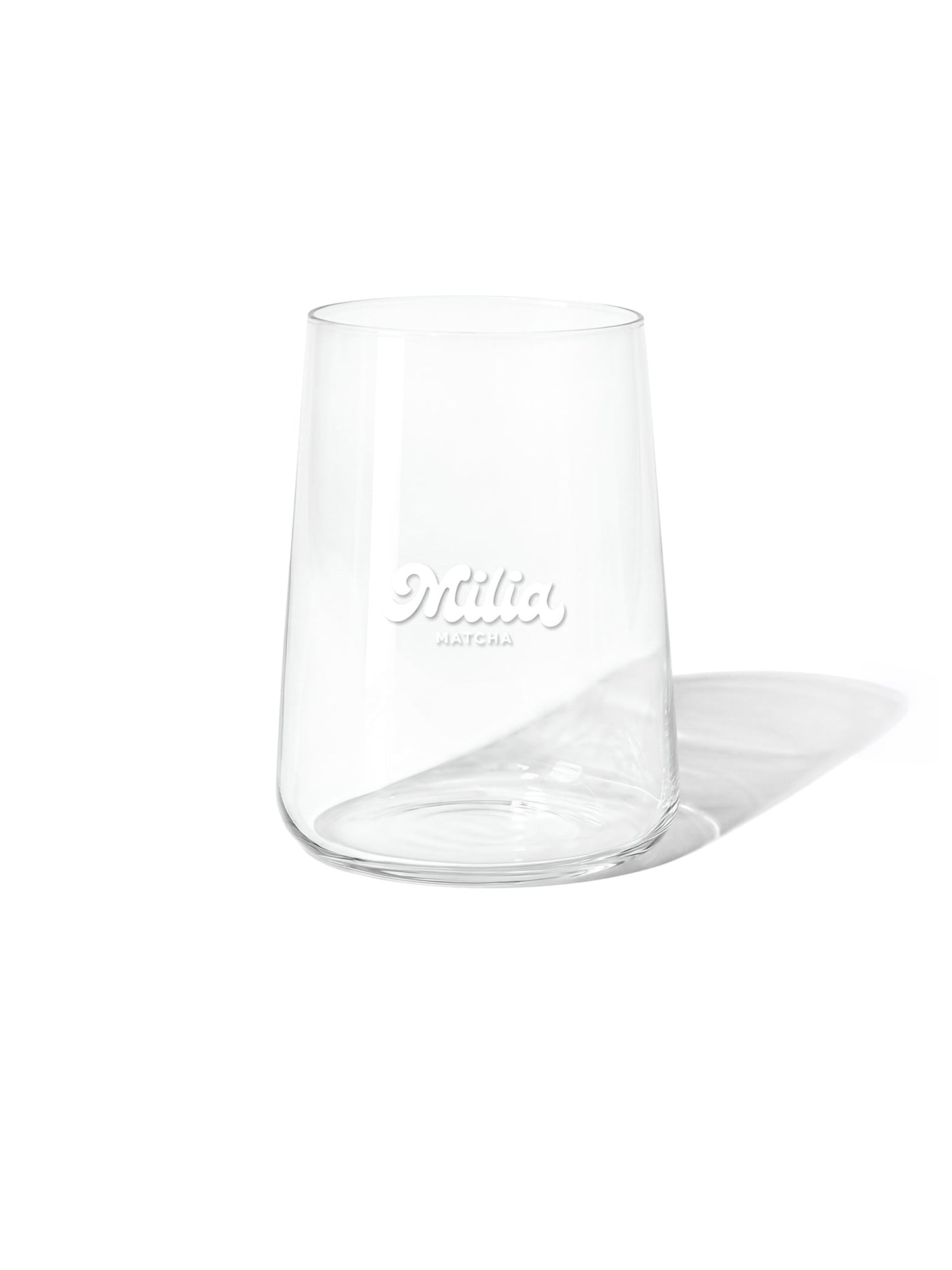
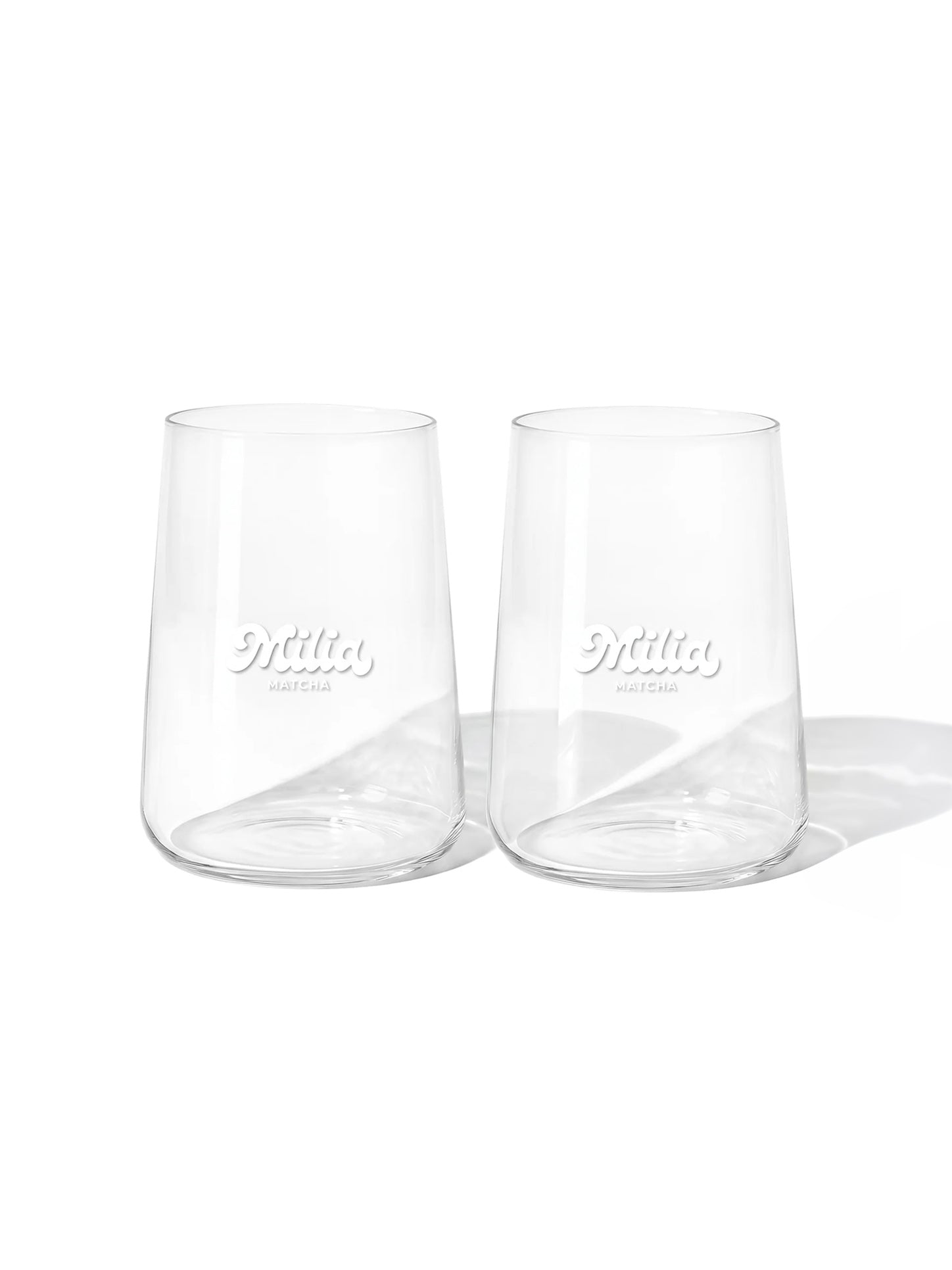
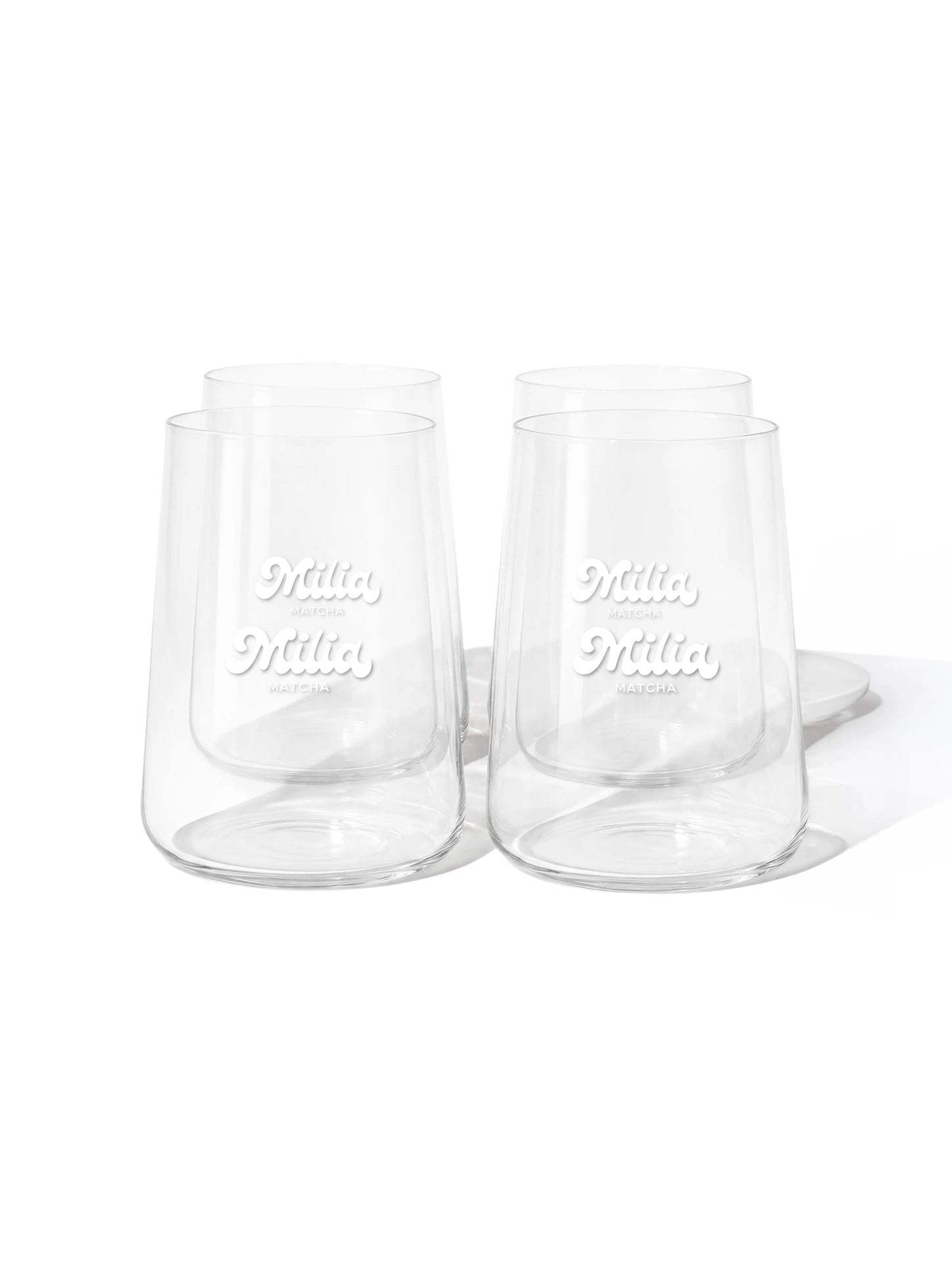
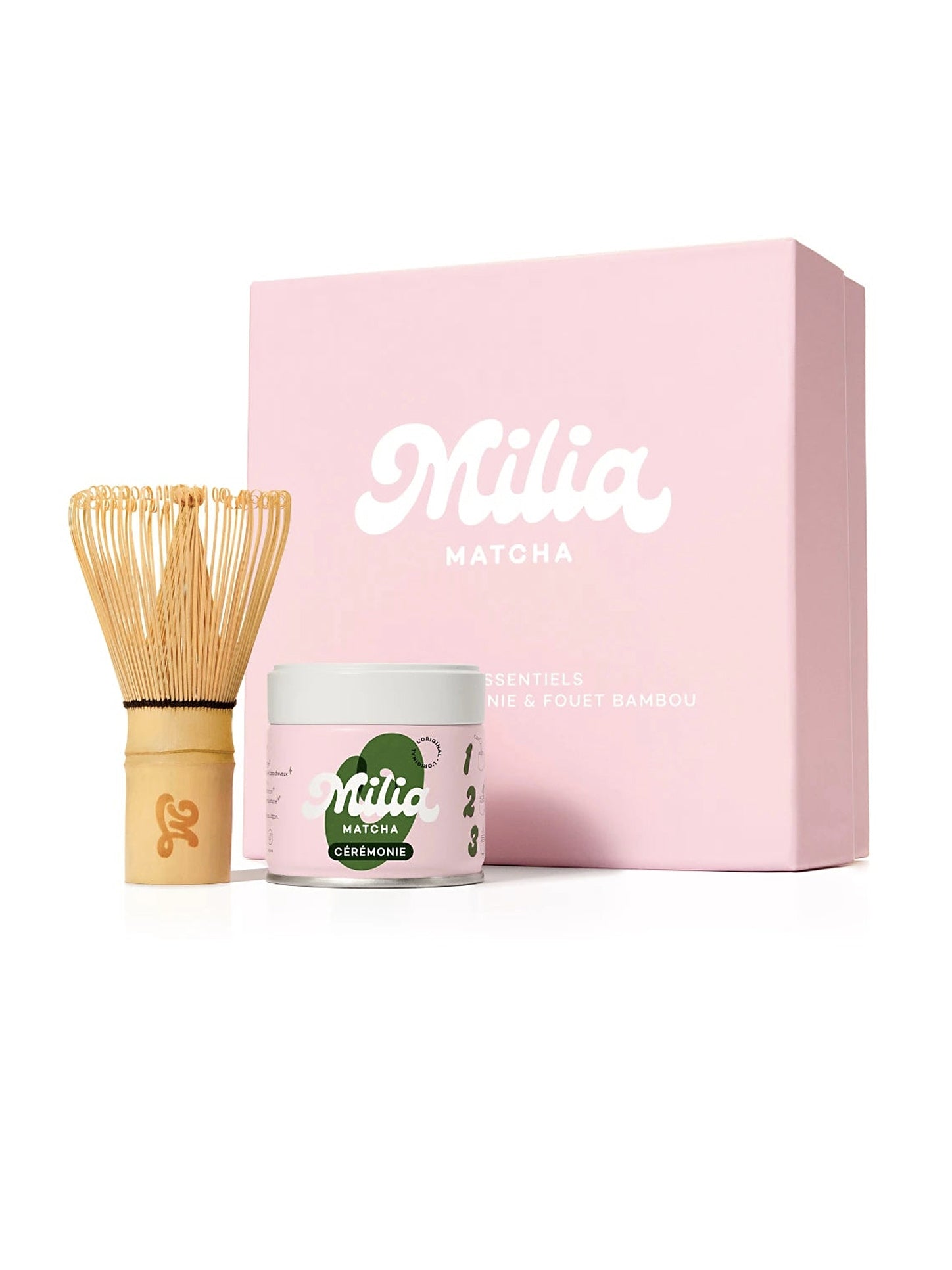
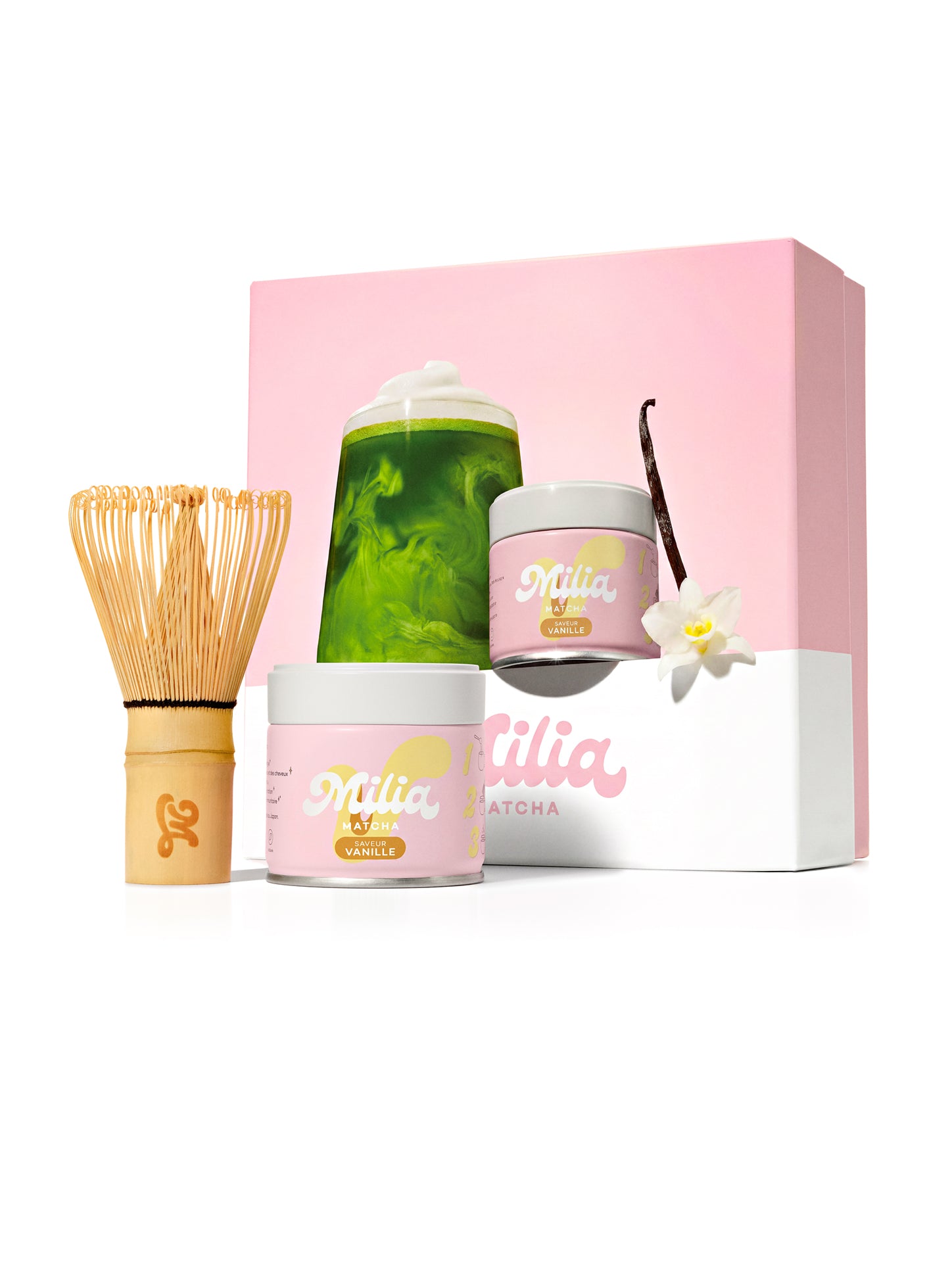
Data is updated from live crawler observations.
16 products tracked. Last scan: September 22, 2026. Prices and availability may change. Always verify on the brand's official website before purchasing.
Testing & transparency
4 of 6 confirmed from public sources
Lead, cadmium, arsenic, and mercury testing data observed.
Pesticide residue testing data observed.
Certificate of Analysis published publicly.
Independent laboratory verification observed.
No public evidence found in our crawler observations.
COA with ppb-resolution values, named lab, and date.
Status is based on crawler observations of public sources. “Claimed” means the brand states it but no public documentation was found. “Not publicly found” means no evidence was observed -- it does not mean testing was not done.
Heavy Metals & Testing: Common Questions
Does matcha contain lead?
Matcha can contain trace amounts of lead because the whole tea leaf is ground into powder, and tea plants absorb lead from soil. The amount varies significantly by growing region, soil conditions, and farming practices. Brands that publish a Certificate of Analysis (COA) from an accredited lab show the actual measured ppb value for each batch. Brands that do not publish results cannot be independently verified.
What is a safe lead level in matcha?
The FDA has not set a specific action level for lead in matcha. California's Proposition 65 sets a Maximum Allowable Dose Level (MADL) of 0.5 micrograms of lead per day from dietary supplements. For context, a 2g serving of matcha with 100 ppb lead would deliver approximately 0.2 micrograms. The key is knowing the actual ppb value -- which requires a published COA.
What is a COA and why does it matter?
A Certificate of Analysis (COA) is a document from an accredited laboratory that reports measured contaminant levels -- typically lead, cadmium, arsenic, and mercury -- in a tested sample. A meaningful COA names the lab, dates the test, and reports values in ppb (parts per billion) resolution. Brands that publish COAs let you verify their claims independently. Brands that only claim testing without publishing numbers cannot be independently verified.
What is the difference between ppb and ppm testing?
Parts per billion (ppb) is 1,000 times more precise than parts per million (ppm). A ppm non-detect result cannot rule out contamination at the ppb level. For heavy metals in food, ppb resolution is the meaningful standard. A result of 'non-detect at ppm resolution' is not the same as a low ppb result.
Does organic certification mean matcha is free of heavy metals?
No. Organic certification prohibits synthetic pesticides and fertilizers but does not address heavy metal content. Heavy metals in matcha come from soil absorption, which is independent of organic farming practices. An organic matcha can have higher lead levels than a non-organic matcha from a different farm. Always check published COA results separately from organic certification.
Which matcha brands publish their heavy metal test results?
Very few brands publish numeric ppb results from accredited labs. Most brands either claim testing without publishing numbers, or publish only ppm-level non-detect results. Brands that publish full COAs with ppb resolution, a named lab, and a test date are classified as Tier 1 in our transparency system. See our lab-tested matcha directory for the current list.
Regulatory references: FDA (2023), California Proposition 65 MADL (0.5 mcg/day lead). All ppb values on this site are sourced from published COAs with named lab and test date.
Sources
Sources are observed by our crawler. Steady Matcha does not endorse or verify the accuracy of third-party sources.